Regulatory Influences from Caribbean Jurisdictions on Live Dealer Gaming and Mobile Billing for British Participants
Gisela Werner · Aug 26, 2026
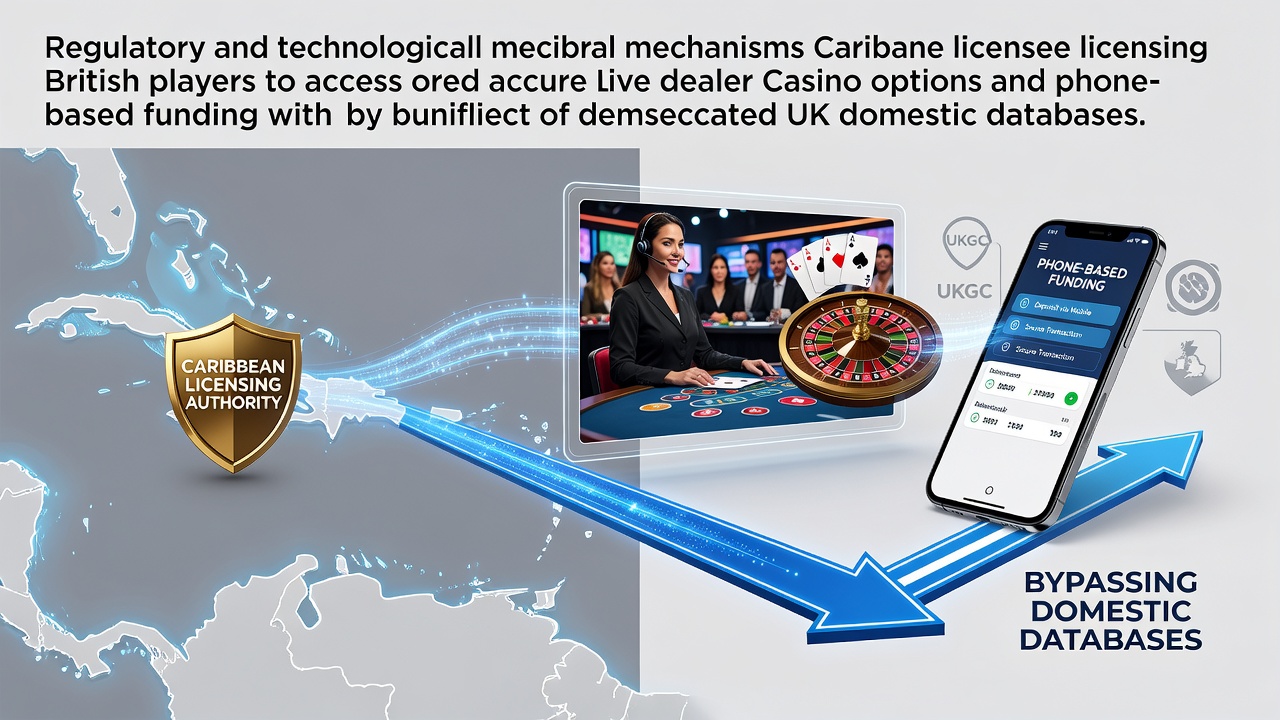
Regulatory Influences from Caribbean Jurisdictions on Live Dealer Gaming and Mobile Billing for British Participants
Caribbean licensing frameworks have developed distinct approaches to online gaming operations that include live dealer environments and phone-based transaction methods, and these structures interact with how British participants engage with such platforms while navigating around national self-exclusion systems. Jurisdictions such as Curacao and Antigua issue licenses that permit operators to host real-time table games streamed from studios alongside payment integrations that accept mobile billing formats. These arrangements operate independently from UK domestic registers, which creates pathways for access that differ from those available under stricter local oversight.
Key Elements of Caribbean Licensing Structures
Licensing bodies in the Caribbean region maintain regulatory standards focused on operator compliance with financial reporting and game fairness protocols, yet they do not enforce participation in databases maintained by other countries. Operators holding these licenses can therefore offer live dealer sessions featuring roulette, blackjack, and poker variants without mandatory integration into UK exclusion lists. Phone-based funding systems, which process deposits through carrier billing, align with the flexible payment rules common under these licenses, allowing transactions to complete without additional identity verification layers required in some other markets.
Live Dealer Availability Patterns
Research from industry monitoring groups shows that platforms licensed in Caribbean territories frequently maintain dedicated studios equipped for continuous live streaming, and these setups connect directly to player interfaces accessible from the UK. Data collected through payment processor reports indicates rising volumes of mobile-initiated sessions during 2025 and into August 2026, with Caribbean-licensed sites accounting for notable shares of live table activity among users seeking alternatives to domestic platforms. The absence of cross-border database synchronization means participants can enter these environments even after registering on national self-exclusion lists, since the licensing does not require checks against foreign registries.
Payment mechanics tied to phone billing further support this access model because Caribbean regulations permit operators to partner with billing aggregators that handle micro-transactions through standard mobile accounts. Studies compiled by European research centers have documented how such integrations reduce friction for users who prefer not to share banking details, while the licensing jurisdiction itself imposes no obligation to link accounts to exclusion systems operating elsewhere.
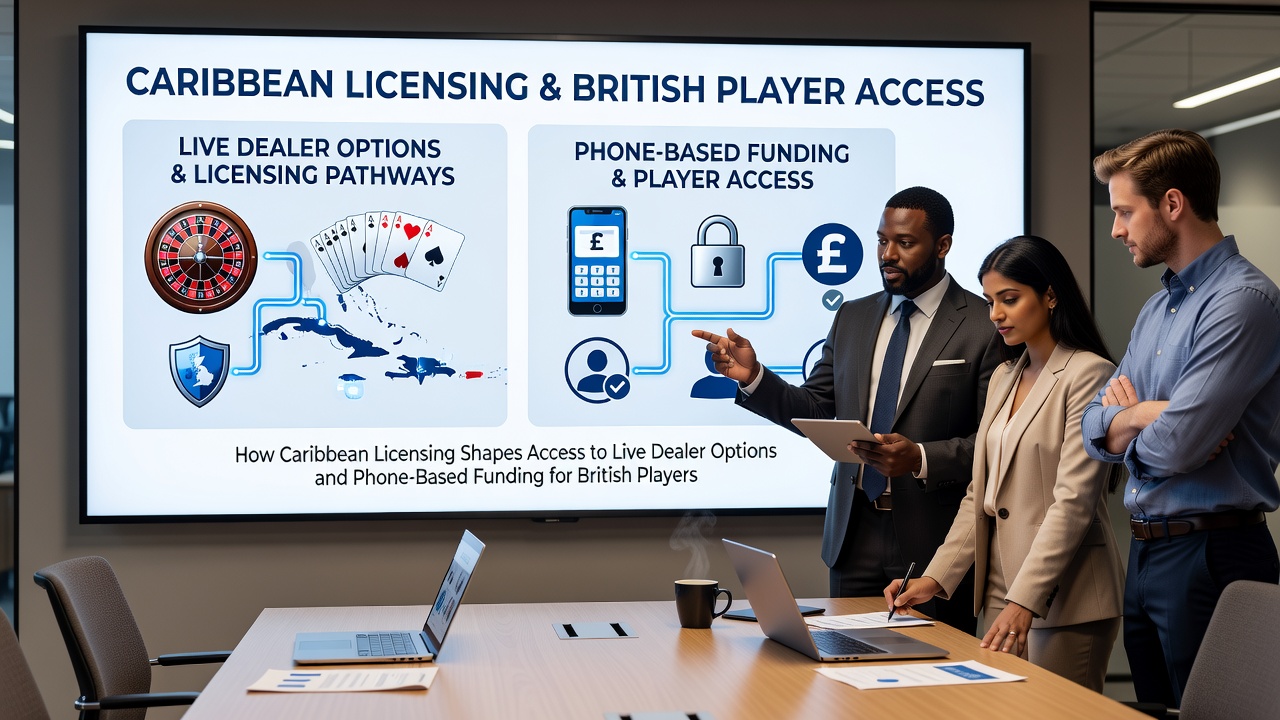
Payment Method Interactions with Licensing Rules
Phone-based funding operates through agreements between operators and telecommunications providers, and Caribbean licensing frameworks accommodate these arrangements by focusing oversight on transaction security rather than participant location verification. Figures from payment industry analyses reveal that British users have increased reliance on these methods at sites holding offshore licenses, particularly when seeking live dealer options that run outside standard UK verification processes. The regulatory environment in these jurisdictions emphasizes anti-money laundering procedures within their own territories, which leaves room for services that function separately from domestic UK databases.
Observers tracking market trends note that the combination of live dealer technology and carrier billing creates operational models that remain viable under Caribbean rules even as UK participation patterns shift. Reports issued by the National Council on Problem Gambling in the United States highlight parallel developments in other regions where offshore licensing influences cross-border player behavior, while a separate analysis from the Australian Institute of Criminology examines how similar licensing dynamics affect mobile transaction volumes in comparable markets.
Market Data and Participation Trends
Statistics gathered by independent analytics firms demonstrate steady growth in live dealer engagement at Caribbean-licensed sites among UK audiences throughout 2026, with phone billing representing a growing segment of deposit activity. These trends occur because the licensing does not mandate synchronization with external self-exclusion mechanisms, allowing continued operation for users who have registered elsewhere. Case examples from transaction monitoring services illustrate how operators maintain separate player pools that operate without reference to foreign registers, and this separation supports the availability of both live tables and mobile funding options.
Operational Distinctions Across Jurisdictions
Caribbean authorities apply licensing criteria centered on software integrity and financial solvency, which differs from requirements in regions that demand broader database linkages. This distinction enables platforms to host immersive dealer experiences and process phone payments without additional hurdles tied to UK-specific systems. Evidence from regulatory filings in multiple Caribbean territories confirms that license holders must meet local standards for game certification and payout reporting, yet these filings contain no provisions for international exclusion list integration.
Conclusion
Caribbean licensing continues to define operational boundaries for live dealer offerings and phone-based funding mechanisms available to British participants who operate outside domestic database structures. Patterns observed through 2026 show sustained activity in these areas driven by the regulatory separation between jurisdictions, with data from payment processors and market researchers documenting the resulting access channels. These frameworks remain distinct from UK oversight models, shaping the landscape of options that function independently of national registers.